In institutions, the problem you can see is rarely the real matter.
- A company may come to me with a strategy problem. But perhaps strategy is not the real matter.
- Perhaps the teams are not hearing one another.
- Perhaps trust has been damaged.
- Perhaps the style of leadership no longer answers what the organization needs.
- Perhaps what employees and stakeholders expect no longer matches where the company is going.
- Perhaps sustainability is being reported but has not yet settled into the strategy.
- Or perhaps what the organization needs is not another training program, but an understanding of why it needs one.
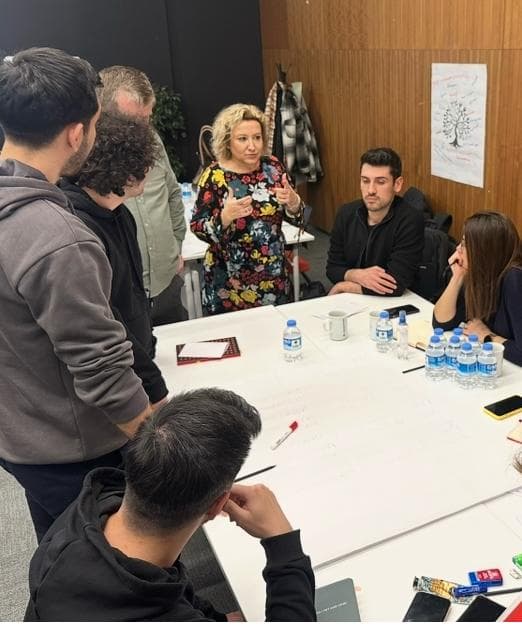
That is why my first question is never “which service would you like?” but “what is the real matter?”
- I listen.
- I look at the data.
- I try to understand the people and the relationships.
- I analyze where the organization stands and where it finally wants to arrive.
- Then we design the right solution architecture together.
Because no two institutions get the same prescription.
Corporate Strategy
Strategy is usually read as writing down targets. To my mind it begins earlier: understanding precisely where the company stands, agreeing together on where it wants to go, and drawing the best route between the two.
- Strategic analysis
- Strategic planning
- Strategic thinking
- Decision-making
- Problem-solving
- Business and organizational strategy
- Stakeholder strategy
- Strategic communication
- Change and transformation
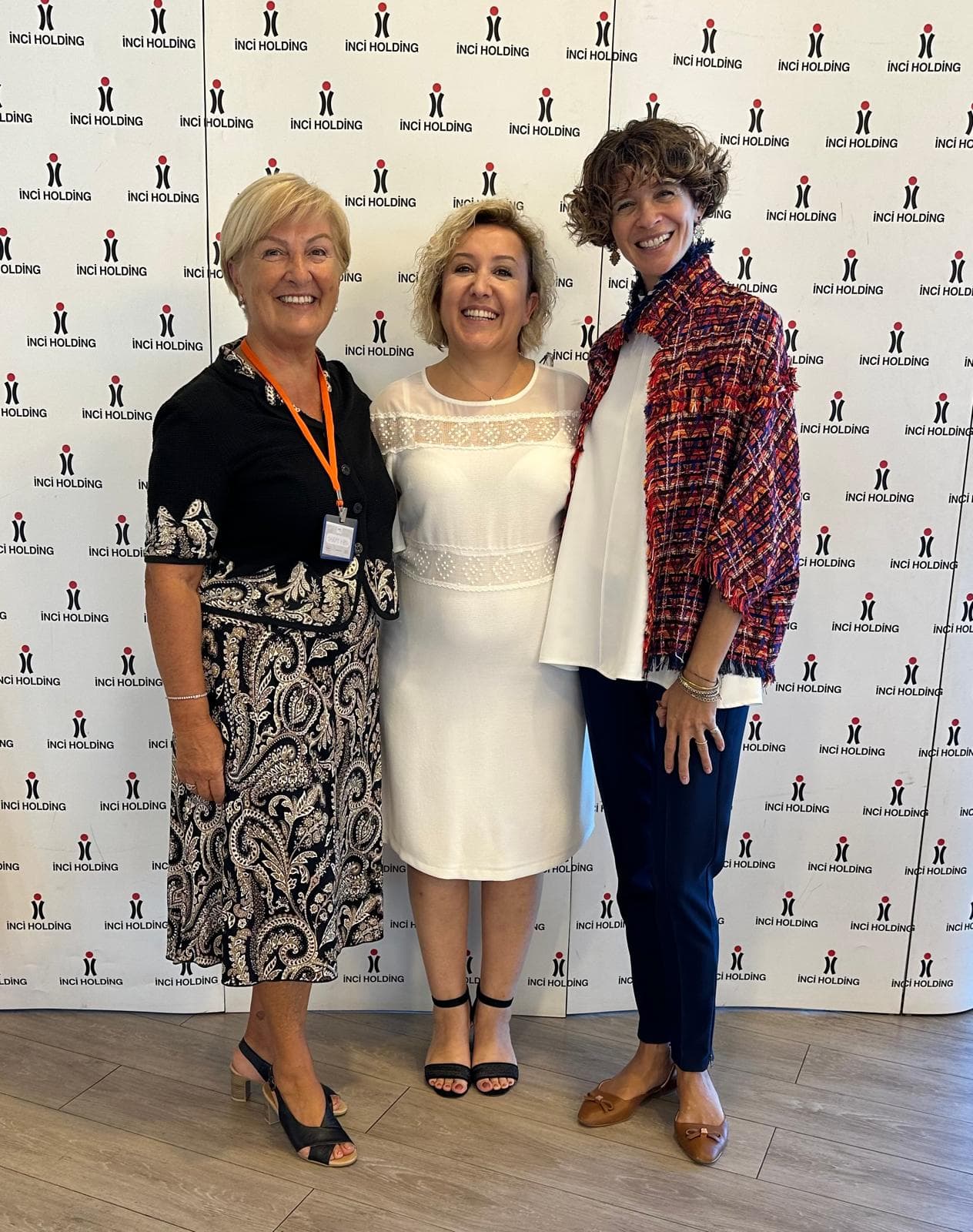
Stakeholder & Relationship Strategy
Stakeholder management is often taken for a communications job. But the real question is not only who is at the table — it is who is missing from it. An organization’s most expensive surprises come from the stakeholders nobody named.
- Stakeholder mapping
- Stakeholder expectations
- Stakeholder analysis
- Strategic stakeholder relations
- Building trust
- Corporate communication
- Relationship management
- Negotiating with stakeholders
Good Governance
Governance is assumed to live in written rules. Yet to understand an organization’s governance, look at the meeting room rather than the rulebook: who speaks, who stays quiet, and at exactly which moment the decision is made.
- Principles of good governance
- Transparency
- Accountability
- Responsibility
- Stakeholder participation
- Trust
- Decision-making mechanisms
- Corporate practice
Then we answer not only “where are you?” but, together, “what should you do from here?”
Sustainability & ESG
Sustainability is taken for a reporting exercise. Yet a report is written once a year, while decisions are made every day. An organization’s sustainability shows not in the thickness of its report, but in where it comes up on the budget agenda.
- Sustainability strategy
- ESG approach
- Sustainability reporting
- Integrated reporting
- Stakeholder analysis
- Materiality assessment
- Sustainability performance
- Sustainability communication
- International sustainability frameworks
- TSRS
- Gender equality
Human Value & Organization
On the chart, everyone has a box. Yet in most organizations the work travels a different route — the one drawn by who trusts whom. What I mean by human value is taking that invisible map seriously.
- Leadership development
- Executive coaching
- Team coaching
- Team development
- Internal communication
- Building trust
- Empathy
- Active listening
- Being understood
- Conflict management
- Competency development
- Organizational development
A fair, safe, inclusive workplace that supports growth is preferred in every geography. What it returns is first employee satisfaction, then commitment, the retention of talent, psychological safety, collaboration, performance, and the long-term success of the institution.
To my mind, a culture that is good for people turns out to be good for the institution too.
Training & Continuous Development
Is a training program only a training program? I do not think so. Training creates a shared language inside an institution, makes invisible problems visible, and takes the first step towards changed behavior.
Negotiation
- A culture of negotiation
- Negotiation techniques
- Difficult negotiations
- Ethical negotiation
- Negotiation in performance reviews
- Salary negotiations
- Stakeholder negotiations
- Conflict resolution
Strategic thinking & decision-making
- Strategic thinking
- Problem-solving
- Decision-making
- Decision traps
- Analytical thinking
- Generating alternatives
Communication & relationships
- Empathy
- Listening
- Being understood
- Trust
- Difficult conversations
- Strategic relationship management
- Stakeholder expectations
Leadership & teams
- Leadership
- Teamwork
- Team coaching
- Trust
- Conflict management
- Building competence
It transforms culture, lets people feel they are valued, increases the capacity to prepare for what is coming, helps an institution notice its blind spots — and, most importantly, genuinely introduces teams to one another.
Corporate empathy, you magnificent thing!
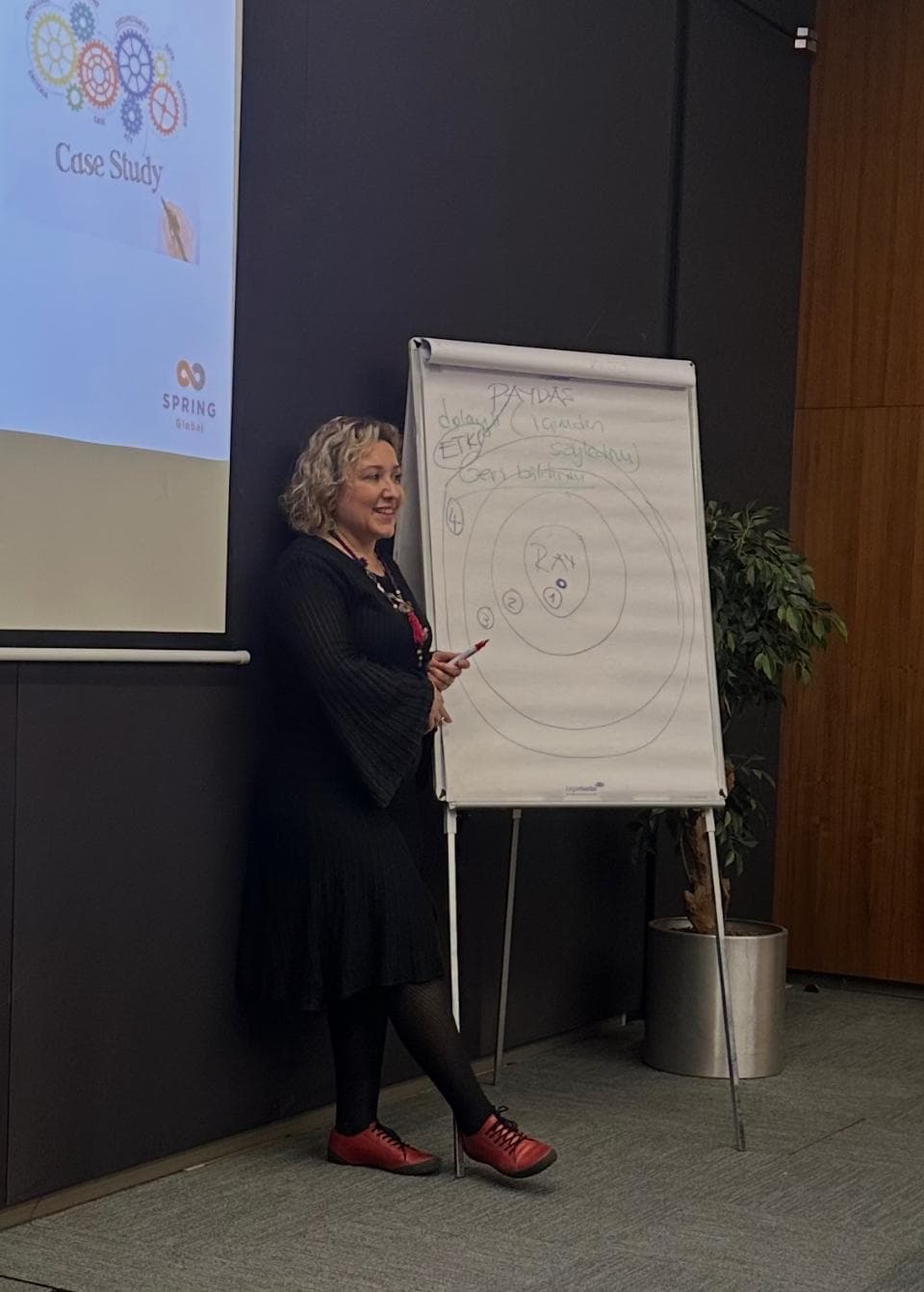
Negotiation & Conflict Resolution
A great many of the problems institutions face are, underneath, negotiation problems.
- With an employee
- With a client
- With a supplier
- With a business partner
- With an investor
- With a manager
- With another department
- With any other stakeholder
I do not see negotiation as “winning”. For me it is about understanding needs, creating options, protecting the relationship and finding an outcome that lasts.
- Negotiation strategy
- Negotiation training
- Conflict management
- Difficult conversations
- Stakeholder negotiations
- Internal disputes
- Settlement strategy
Before It Becomes a Legal Matter
Some disputes can be resolved before they turn into legal matters. It is possible to understand the parties' needs and real interests ahead of their stated positions, to set out the available options, and to create a space for a solution both sides can accept.
Where the situation allows, I design negotiation processes aimed at settlement and reconciliation.
The purpose is to ask “how can this matter be resolved?” before asking “who is right?”
Not every disagreement has to go to court. Sometimes the right conversation, the right strategy and the right negotiating table produce an answer far earlier.
Solution Architecture
I find the steps best suited to resolving your matter and to making the recovery last — and then I carry them out.
- Survey → Analysis → Training → Team coaching → Follow-up measurement
- Stakeholder analysis → Strategy → Negotiation → Implementation
- Governance analysis → Development plan → Leadership work → Measurement
I am your thinking partner, and your companion on the road.
From the work
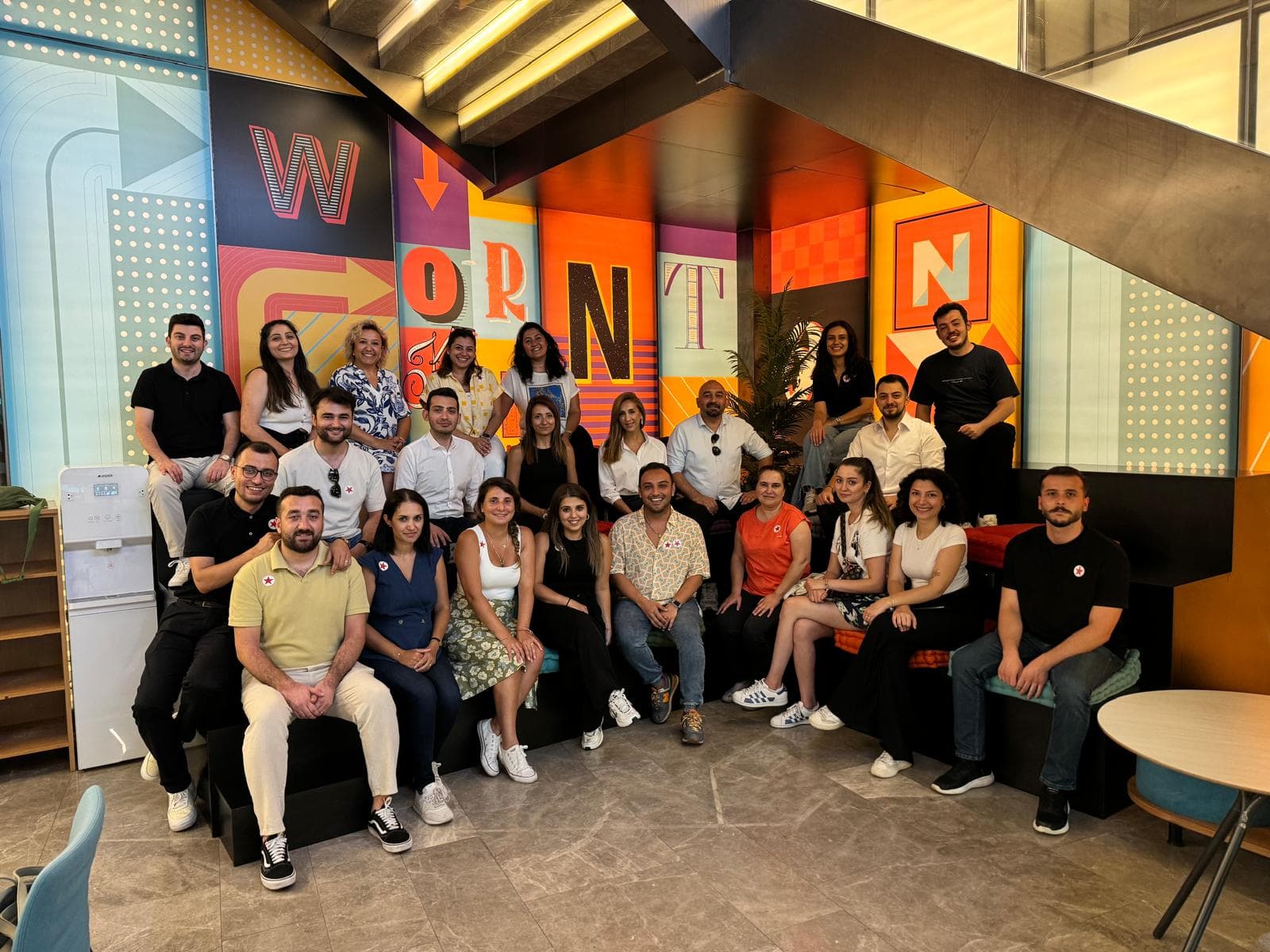
F. Müjde Çetin
Strategy Consultant · Thinking Partner · Solution Artist
Gets to the heart of the matter.
Strategy, governance, sustainability, negotiation, coaching, training and solution design for institutions.